
RIDLER ELECRICAL & RENEWABLES
SOLAR PV • EV CHARGERS • BATTERY STORAGE
A trusted, family-run electrical and renewable company dedicated to helping you power your home & business with clean, affordable energy.
Personal service, expert installation, and long-term support — every step of the way.
Services we offer
- solar PV
- ev chargers
- battery storage
- consumer unit upgrades
- electrical installation condition reports (EICR)
- complete new installations/ renovation work
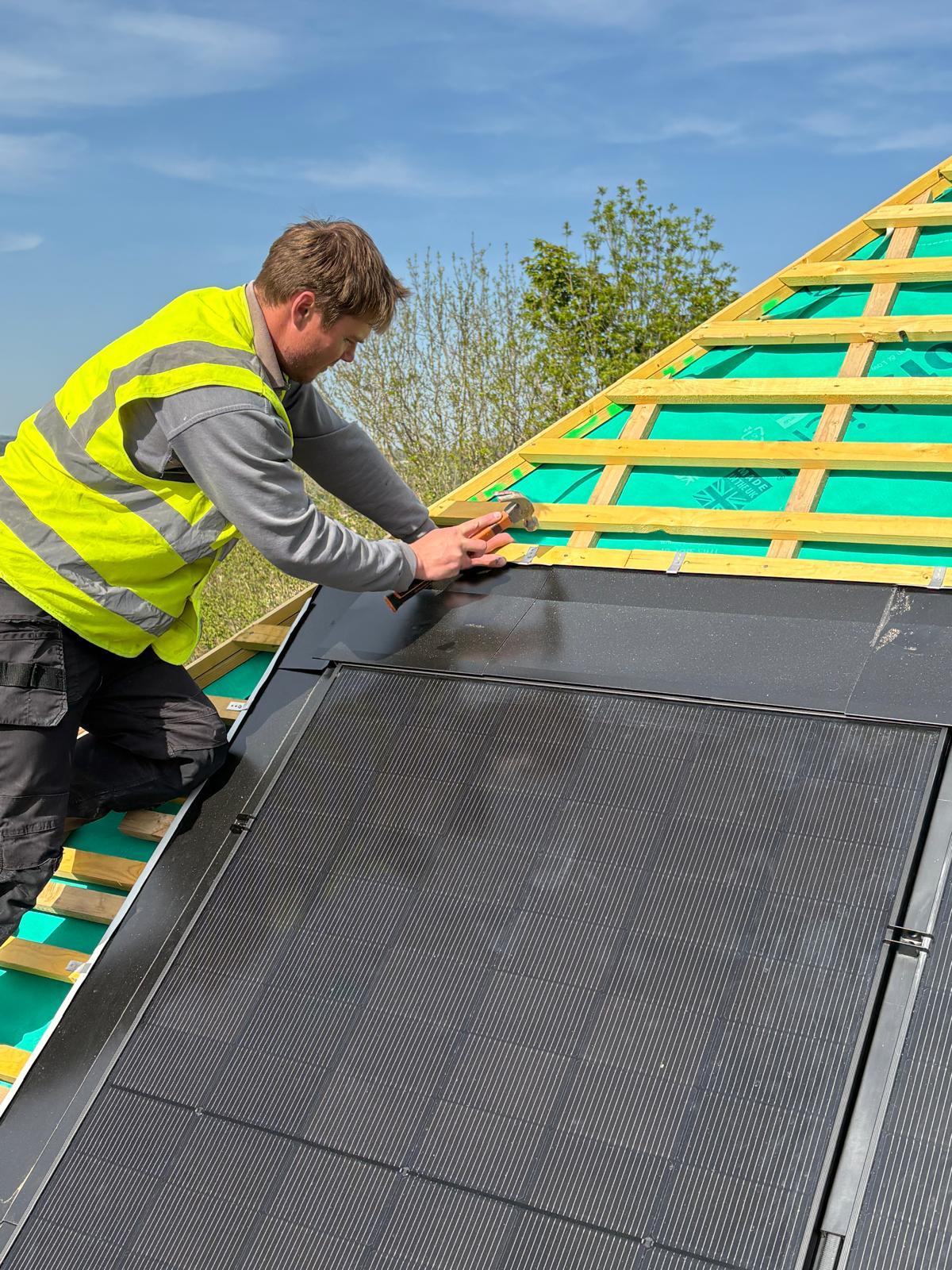
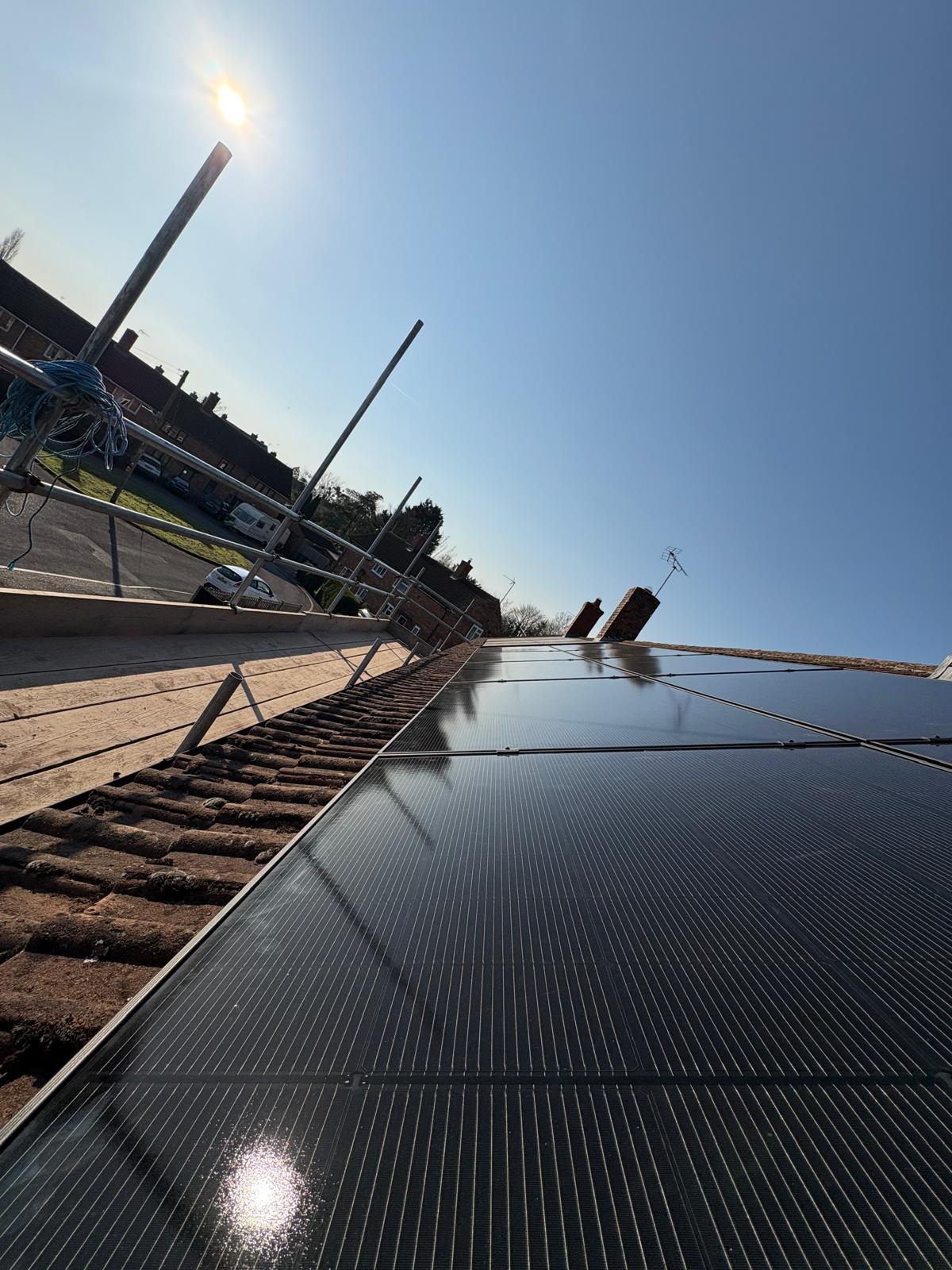
PV Panels
A solar and battery system offers a smart, sustainable way to power your home or business while reducing reliance on the grid. By harnessing energy from the sun, solar panels generate clean electricity that can be used immediately or stored in a battery for later use—such as during the evening or power outages. This not only lowers electricity bills but also provides greater energy independence and protection against rising energy costs. In addition, solar energy reduces your carbon footprint, helping combat climate change. With improved efficiency and falling technology costs, solar and battery systems are becoming an increasingly practical and valuable long-term investment.
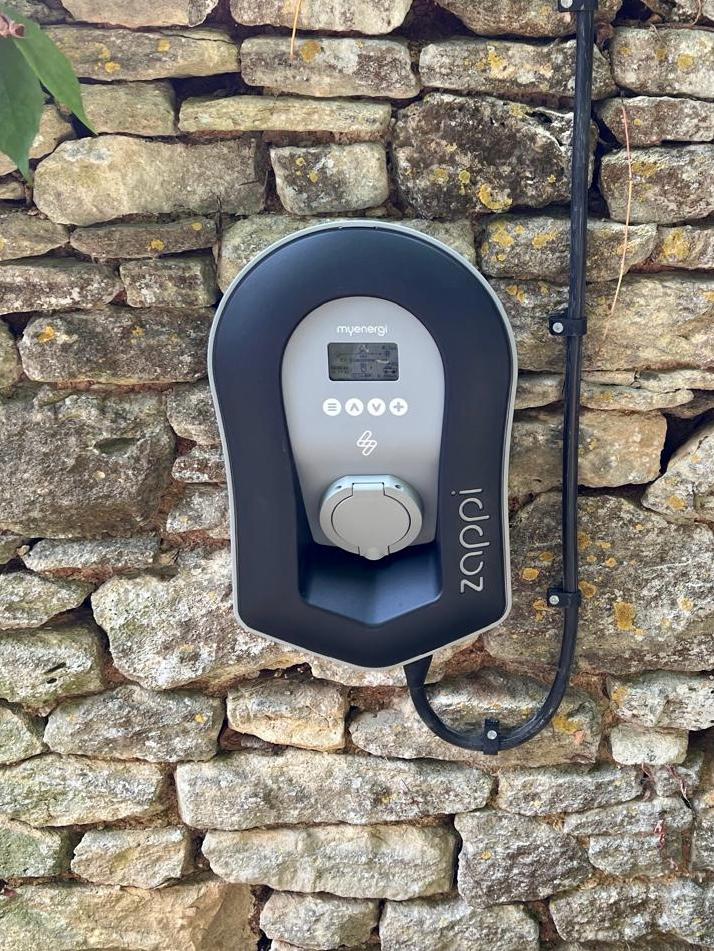
EV Chargers
A 7 kW home charger provides roughly three times the power of a standard household socket, meaning your vehicle charges about three times faster. It also comes with smart features, such as the ability to start or stop charging remotely using a smartphone app. Even better, if you’re on a lower-cost overnight electricity tariff, you can schedule the charger to operate only when energy prices are at their lowest.
Because charging an EV requires a high electrical current, a standard 3-pin 240V socket isn’t recommended as a long-term solution. Installing a dedicated home charger allows you to top up your car whenever it’s parked. For most drivers, that means waking up each morning to a full battery. And since many EVs offer ranges well beyond the average daily mileage, you can be confident you’ll have plenty of charge to get through the day.
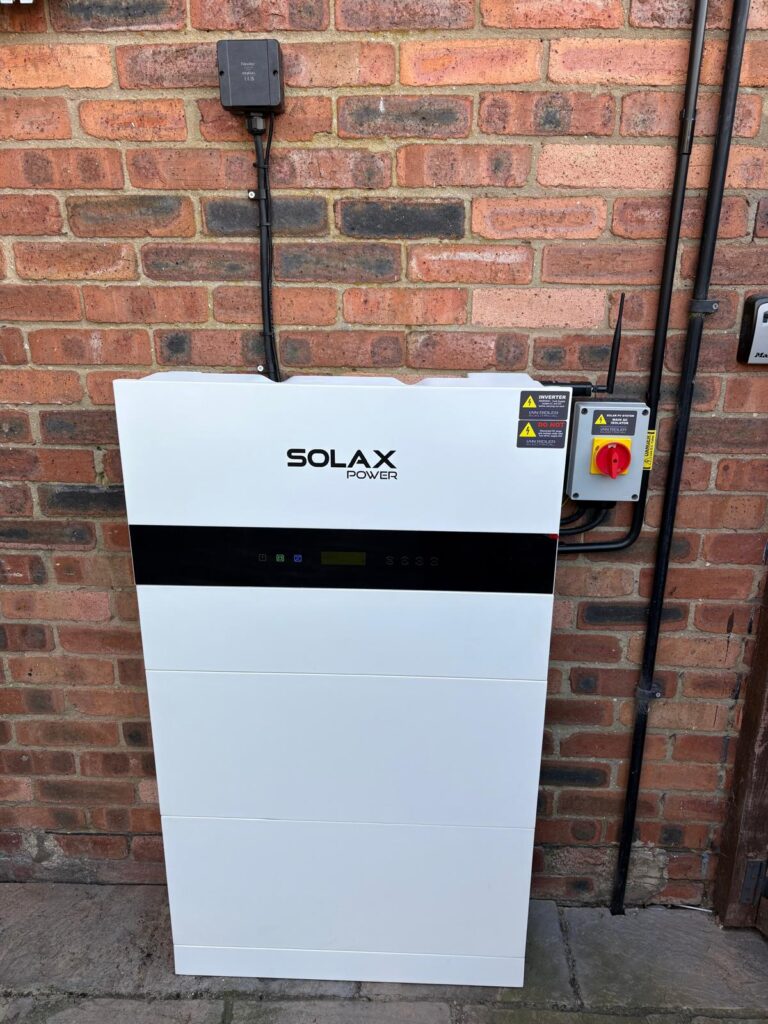
Battery Storage
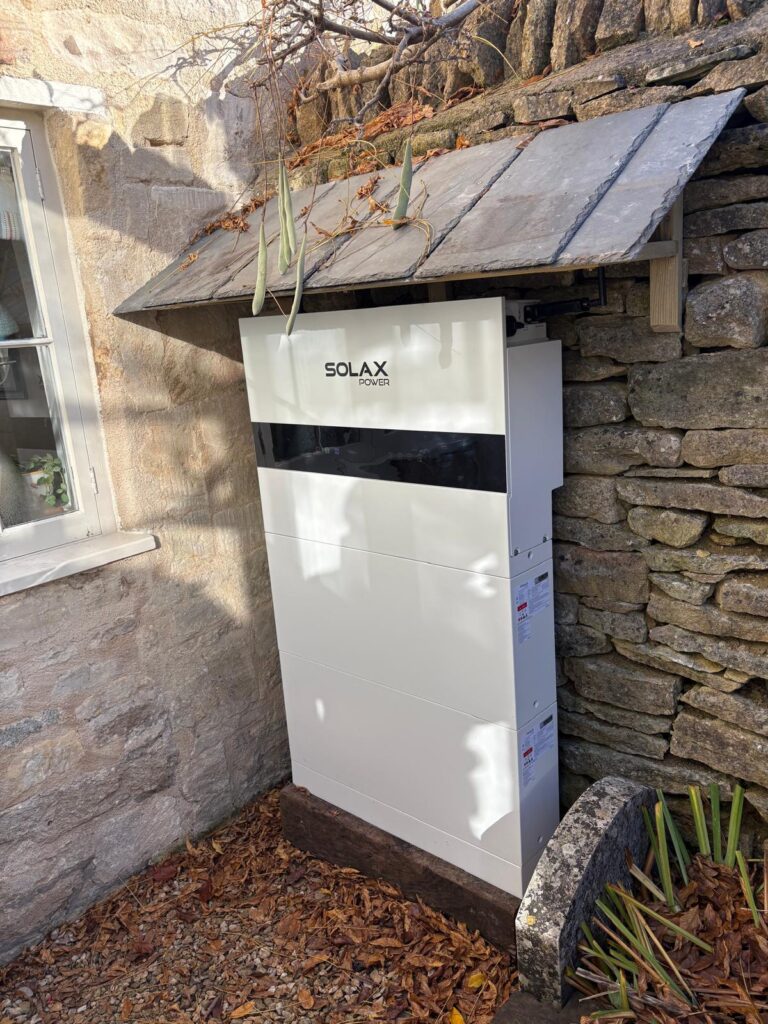
Take advantage of cheaper night-time electricity rates with our smart battery charging solution. By automatically charging your battery during off-peak hours, you can significantly reduce your energy costs without changing your daily routine. Store low-cost energy overnight and use it when prices are higher, maximizing your savings and improving efficiency. It’s a simple, hassle-free way to make your home or business more energy-smart while cutting down on electricity bills.
This is for battery only systems.
Reduce costs
Powering the future with smart, sustainable solutions. We specialise in high-quality electrical services and cutting-edge renewable energy systems, helping homes and businesses reduce costs while lowering their environmental impact. From full electrical installations and upgrades to solar panel systems, battery storage, and EV charging points, our expert team delivers reliable, efficient results tailored to your needs.
With a strong commitment to safety, innovation, and sustainability, we make the transition to greener energy simple and seamless. Whether you’re modernising your property or investing in renewable technology, we’re here to keep you connected—today and for the future.
Figures vary depending on the system’s upfront cost, electricity usage, local energy rates, and potential incentives.
| Solar Panel System Size | Savings After 5 Years | Savings After 10 Years | Savings After 15 Years | Savings After 20 Years | Savings After 25 Years |
|---|---|---|---|---|---|
| 3kW | £2,200 | £4,400 | £6,600 | £8,800 | £11,000 |
| 4kW | £3,300 | £6,600 | £9,900 | £13,200 | £16,500 |
| 6kW | £5,025 | £10,050 | £15,075 | £20,100 | £25,125 |
Source: solarguide.co.uk
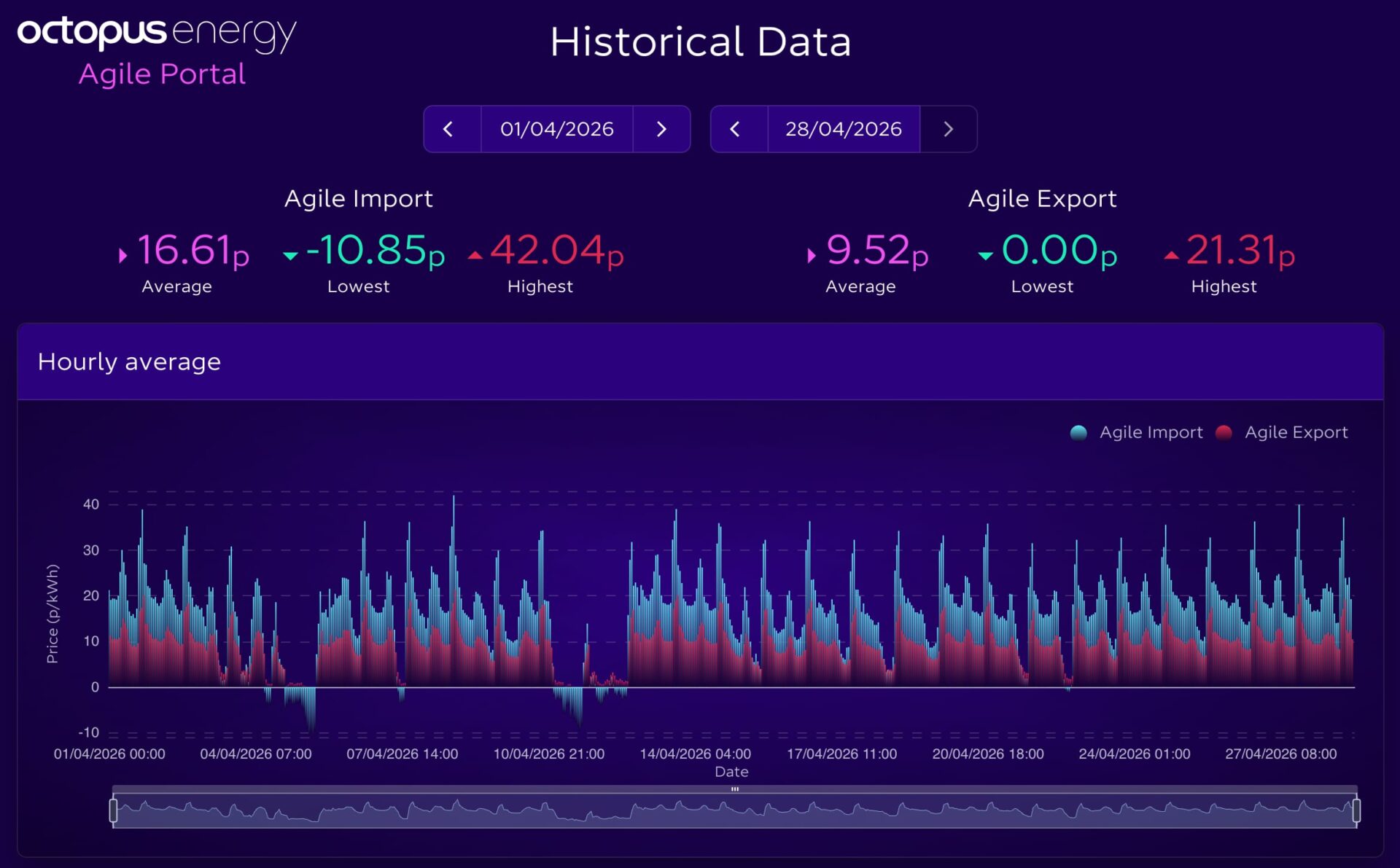
Data: 1 April – 28 April 2026 • Source: https://agile.octopushome.net/historical-data
About Ridler Electrical
We’ve been established for over 25 years and a dozen years experience in the solar industry.
Based in Rodborough, Stroud we offer a domestic, commercial and industrial service to clients across Gloucestershire that even stretches into parts of Wiltshire and Oxfordshire, combining the very best in electrical installation and maintenance services.
Originally a part of Ian Ridler Electrical LTD established in 1990 and spending the last 25 years engaged in a wide range of work serving a client list that now stems to over 900 people, Ridler Electrical values client satisfaction as an essential factor and we focus on the very highest quality and safety standards to achieve that.
The focus on renewable energy is a natural progression in our development towards helping people power their homes and businesses through solar capture and storage.
If you have any questions, lean on our expertise and get in touch…
Recent Projects
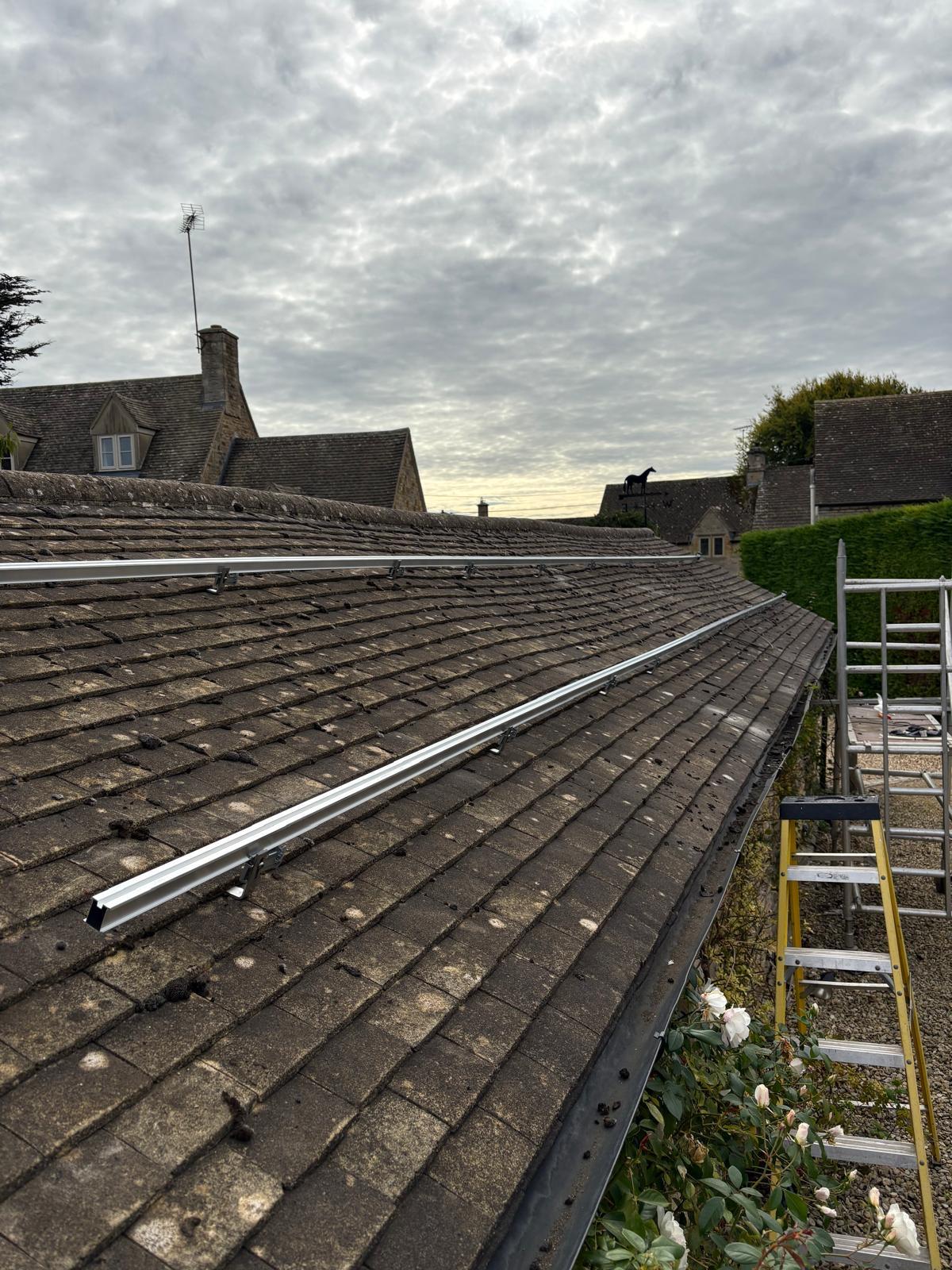
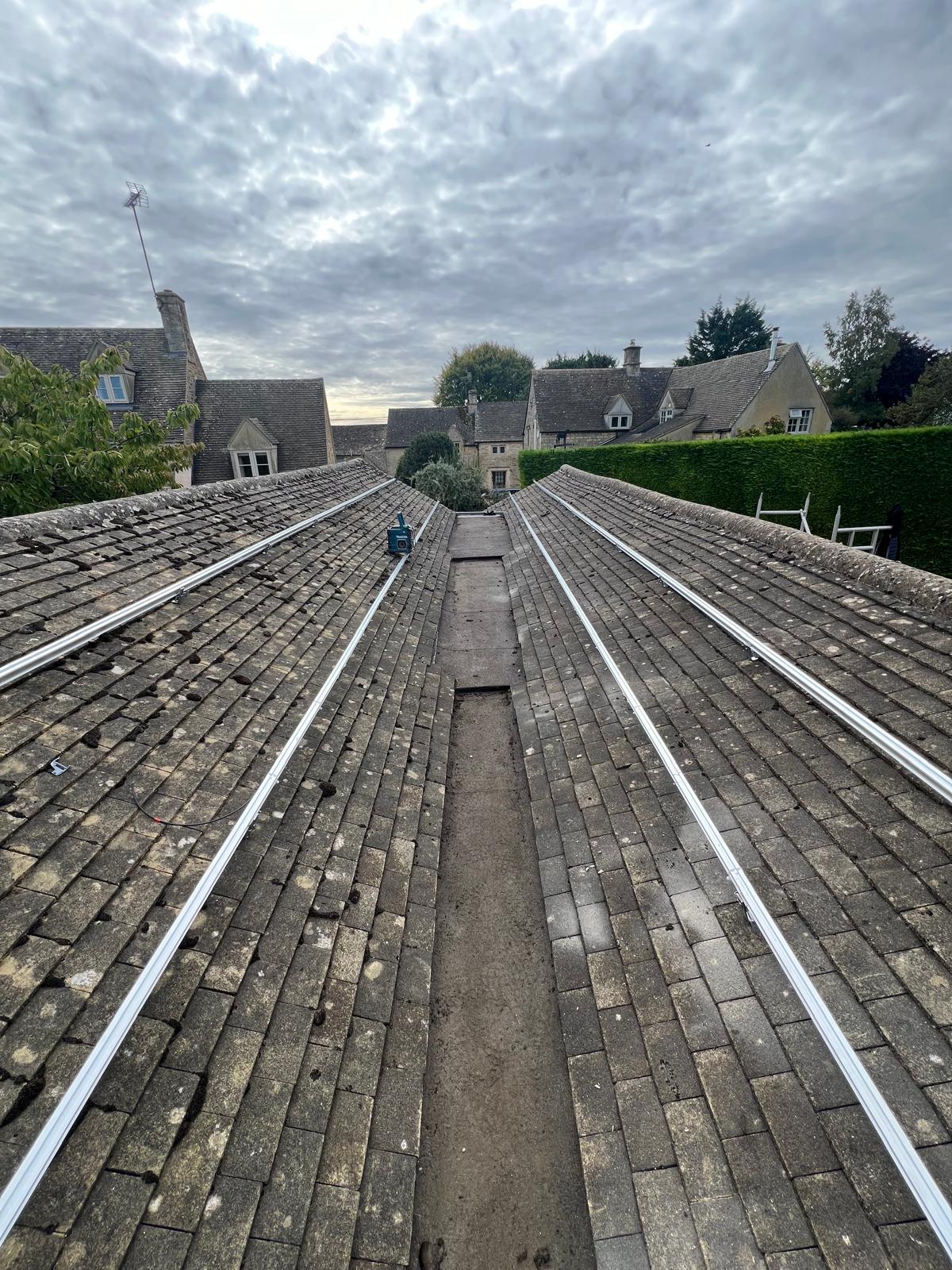
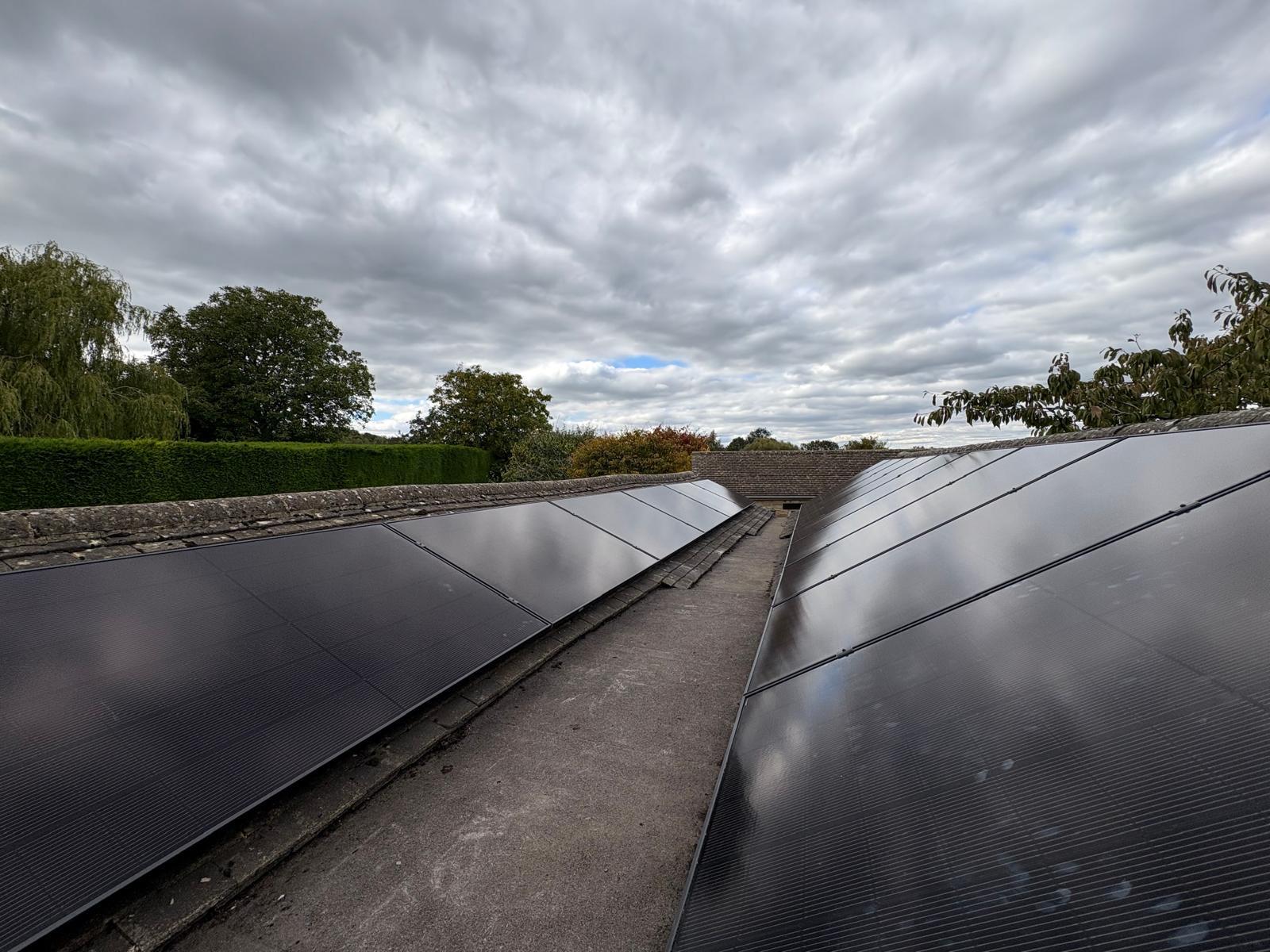
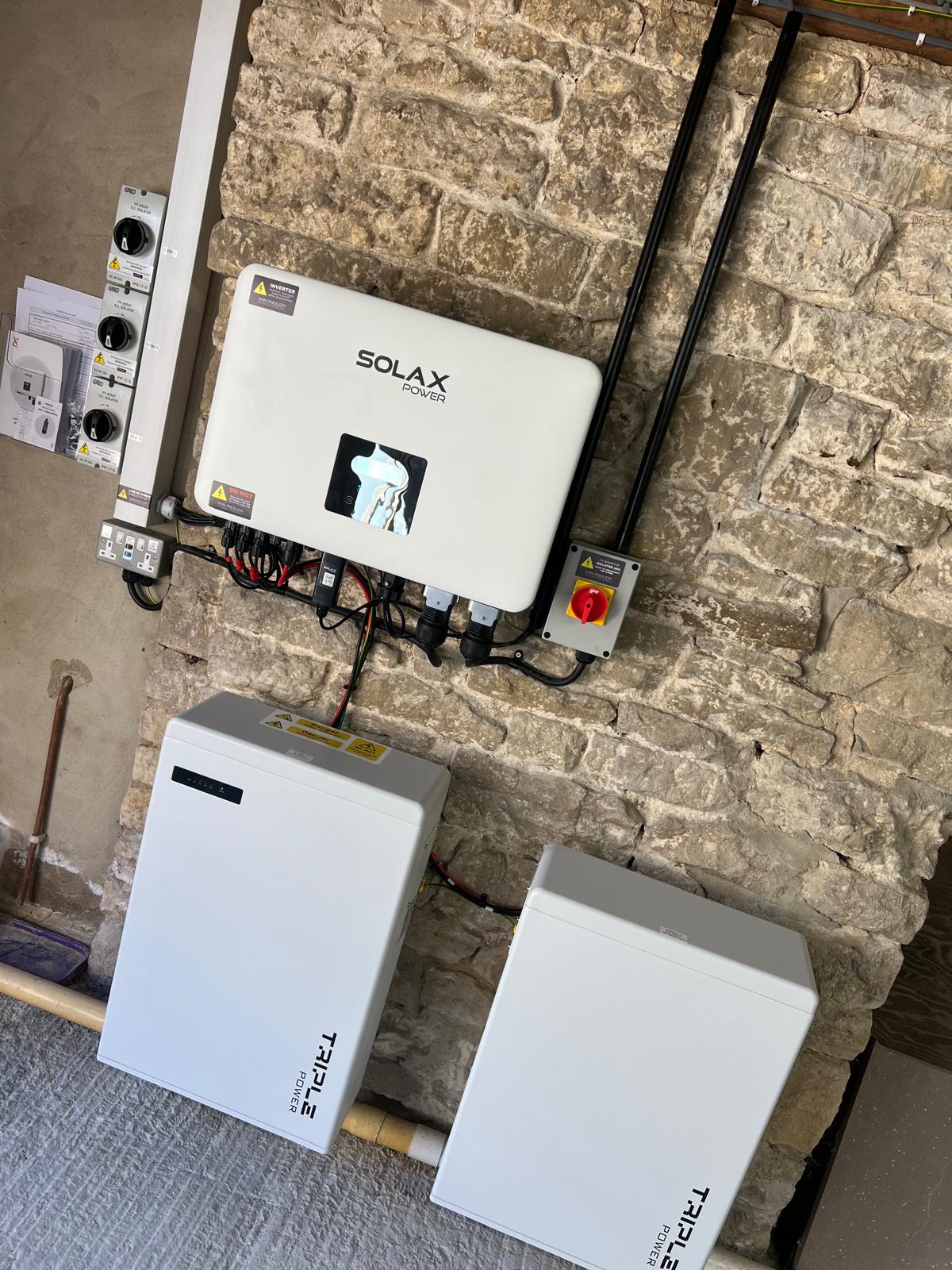
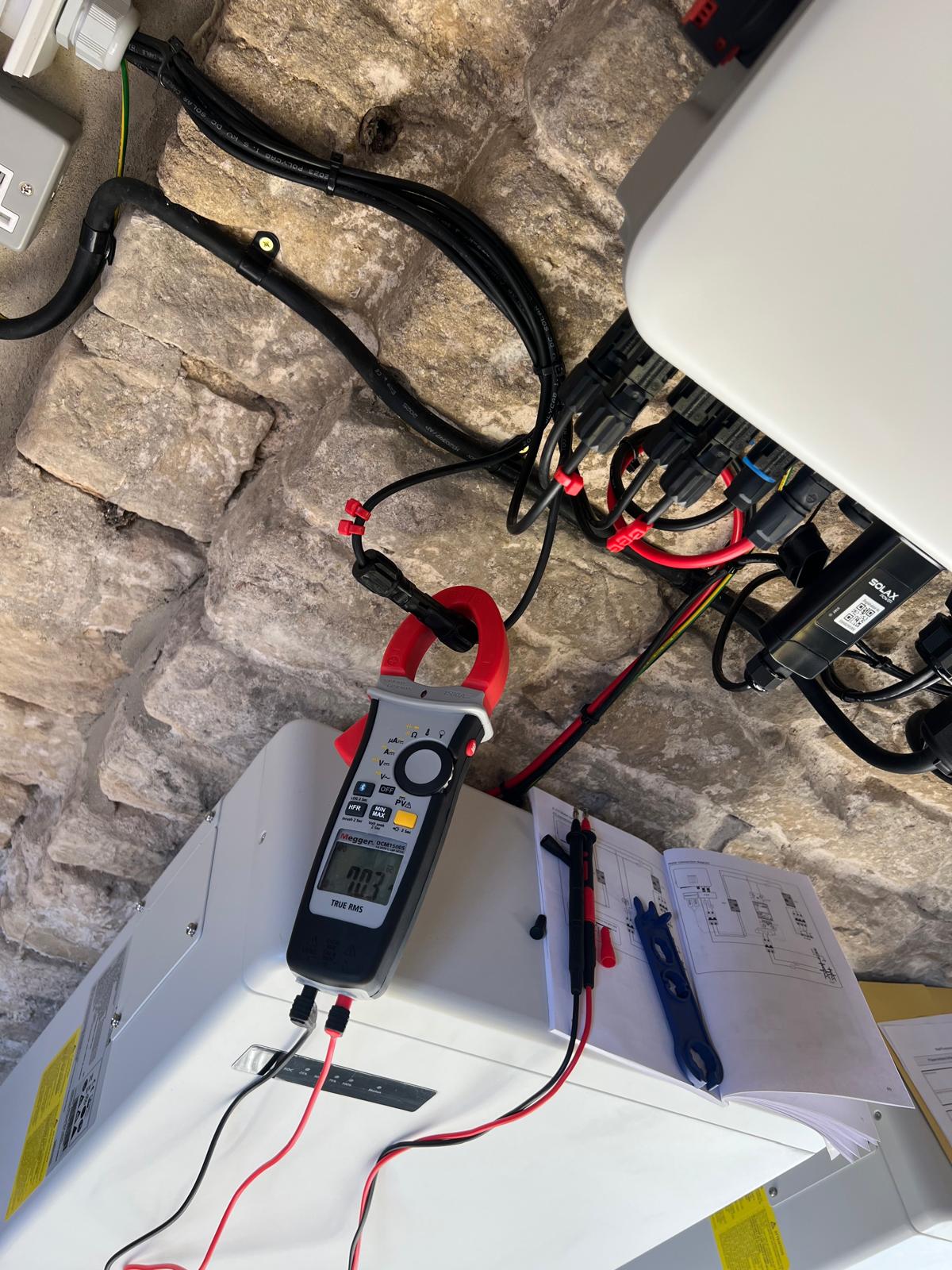
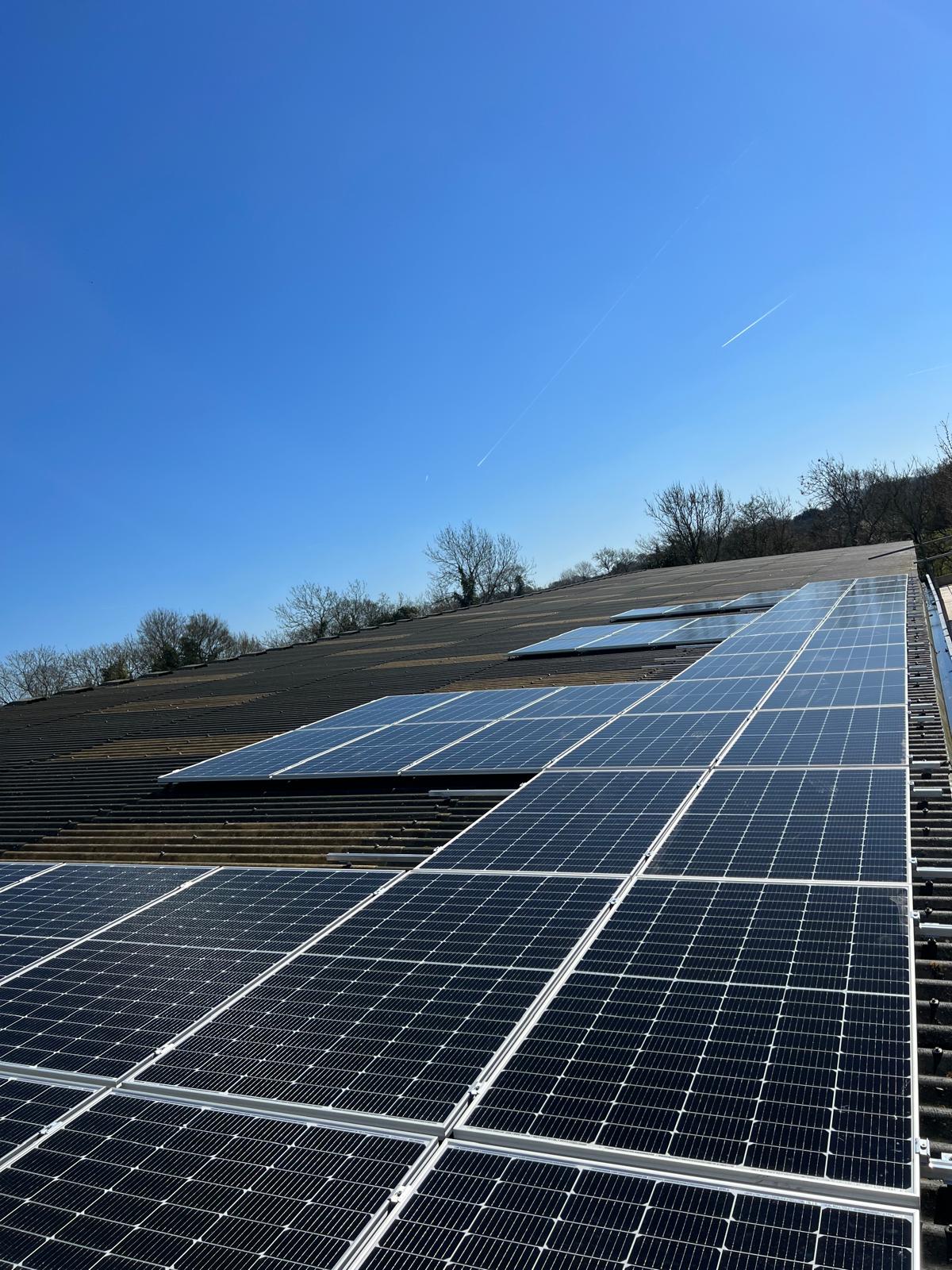
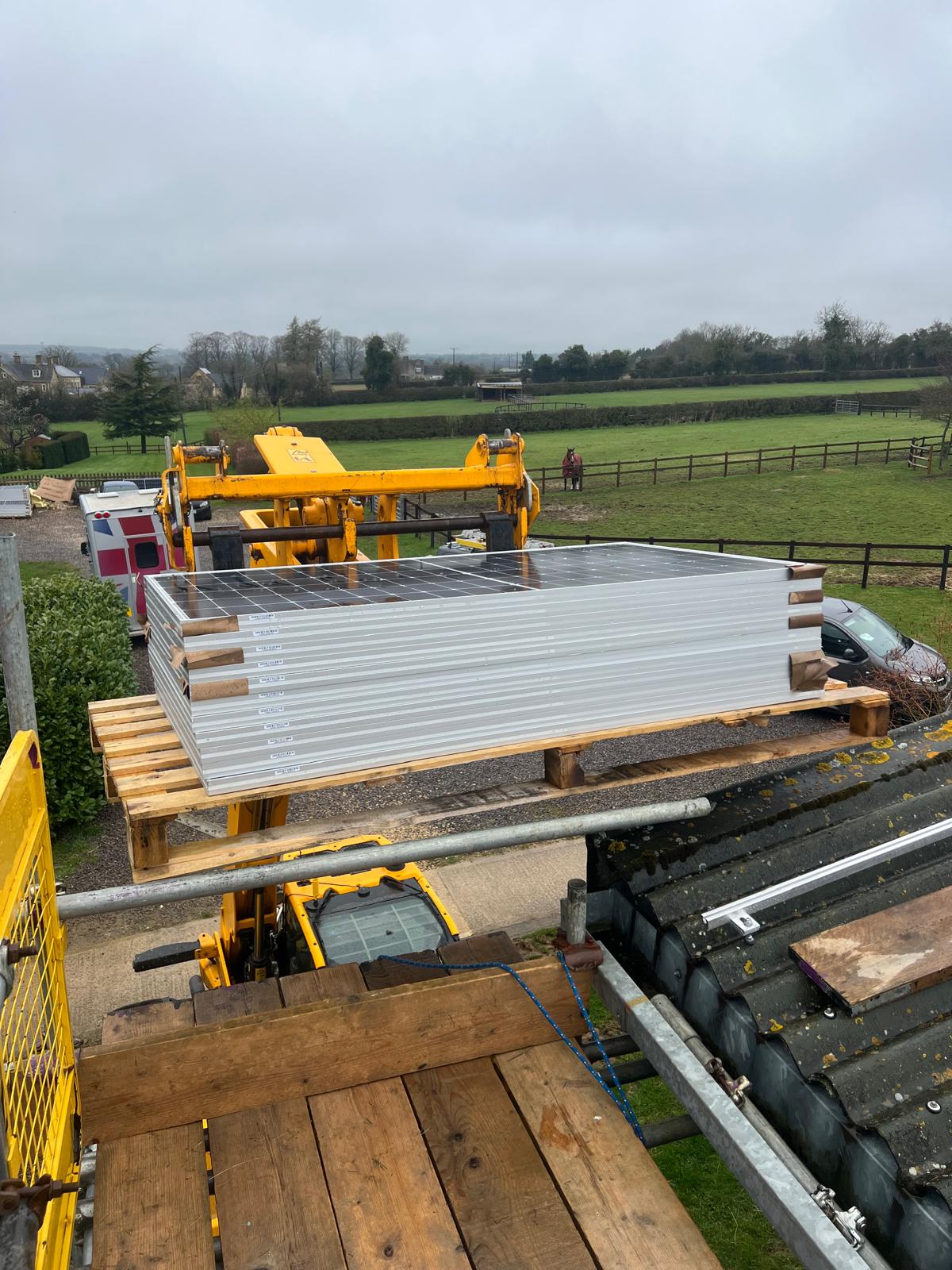
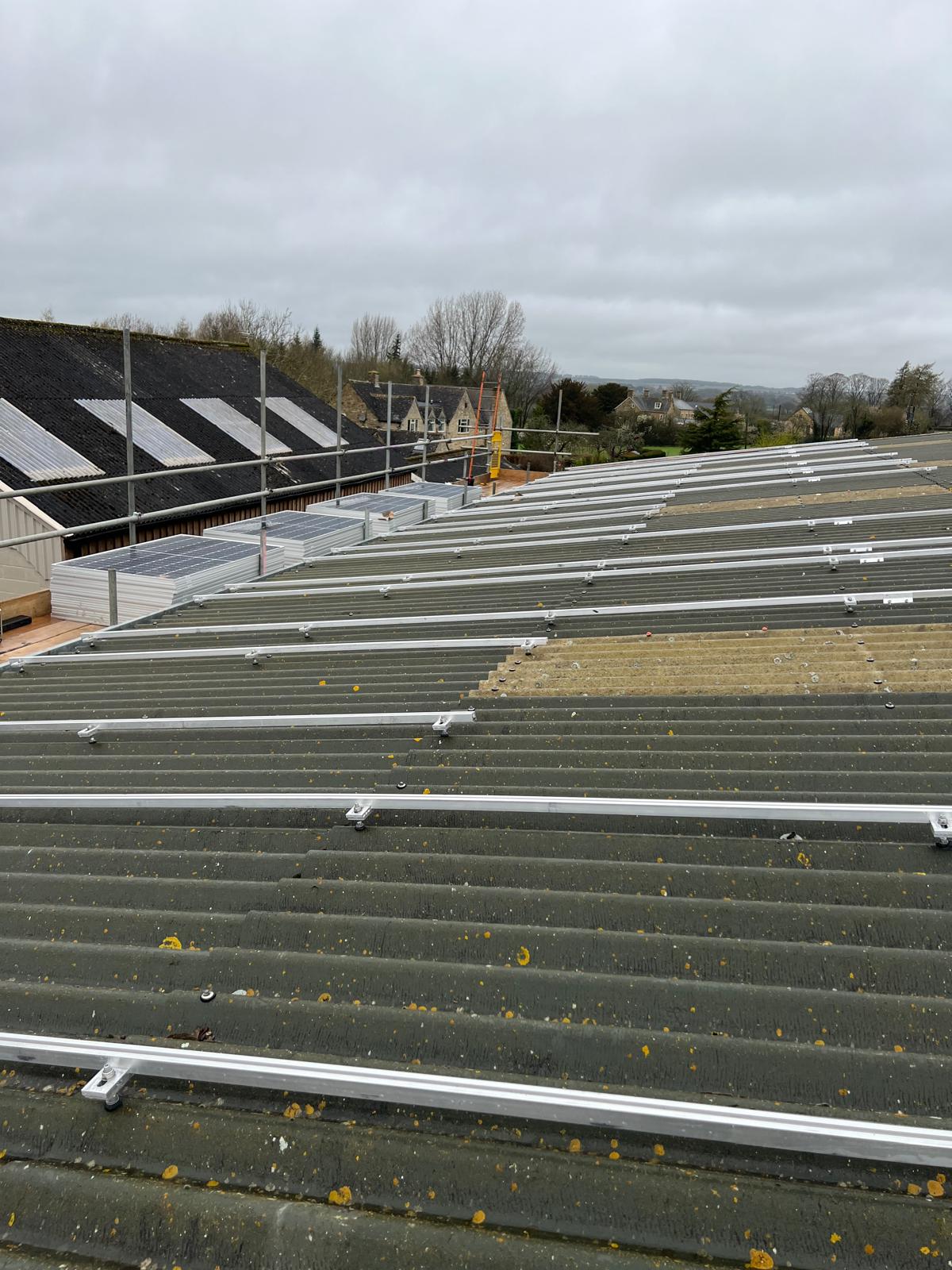
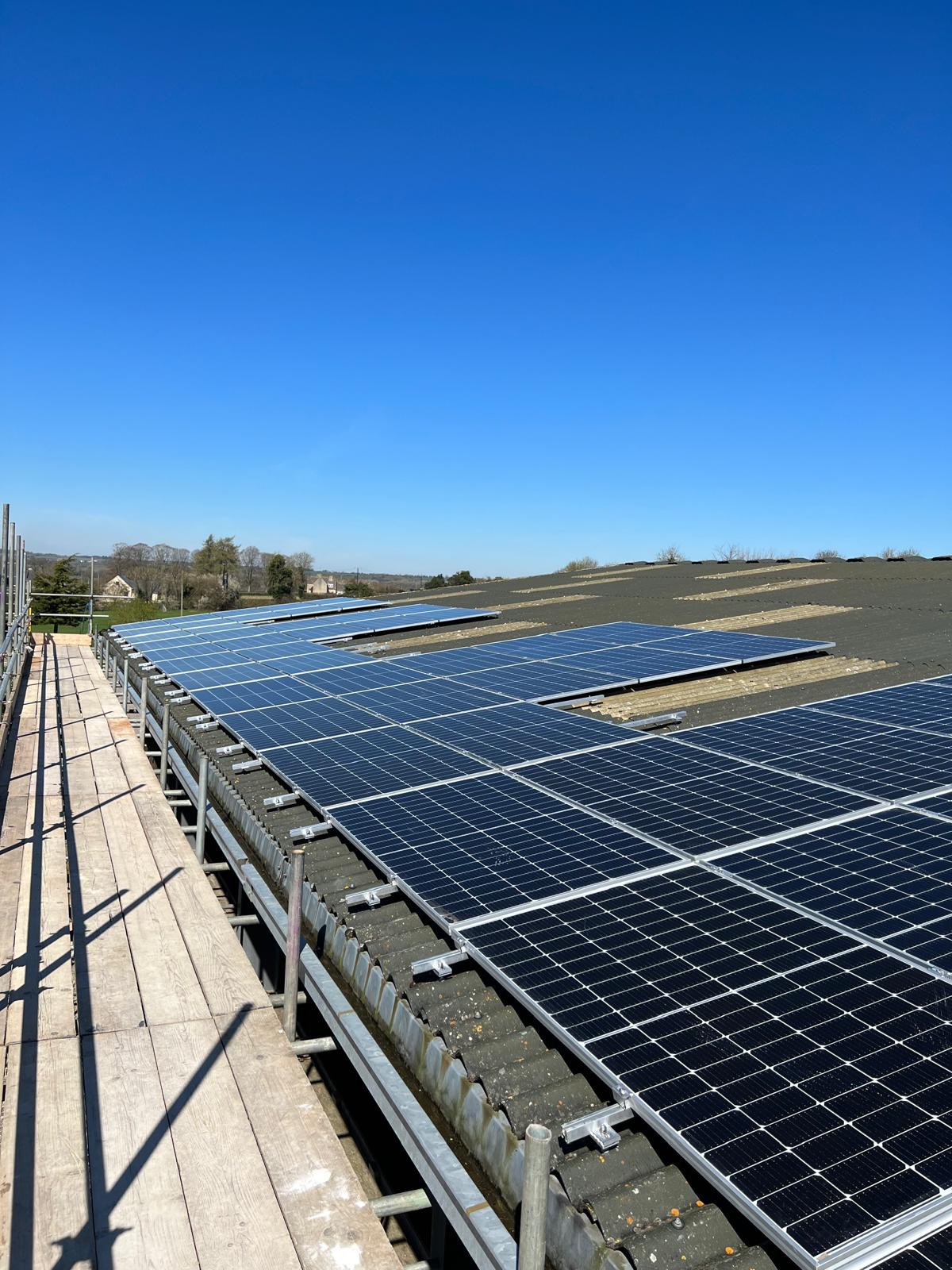
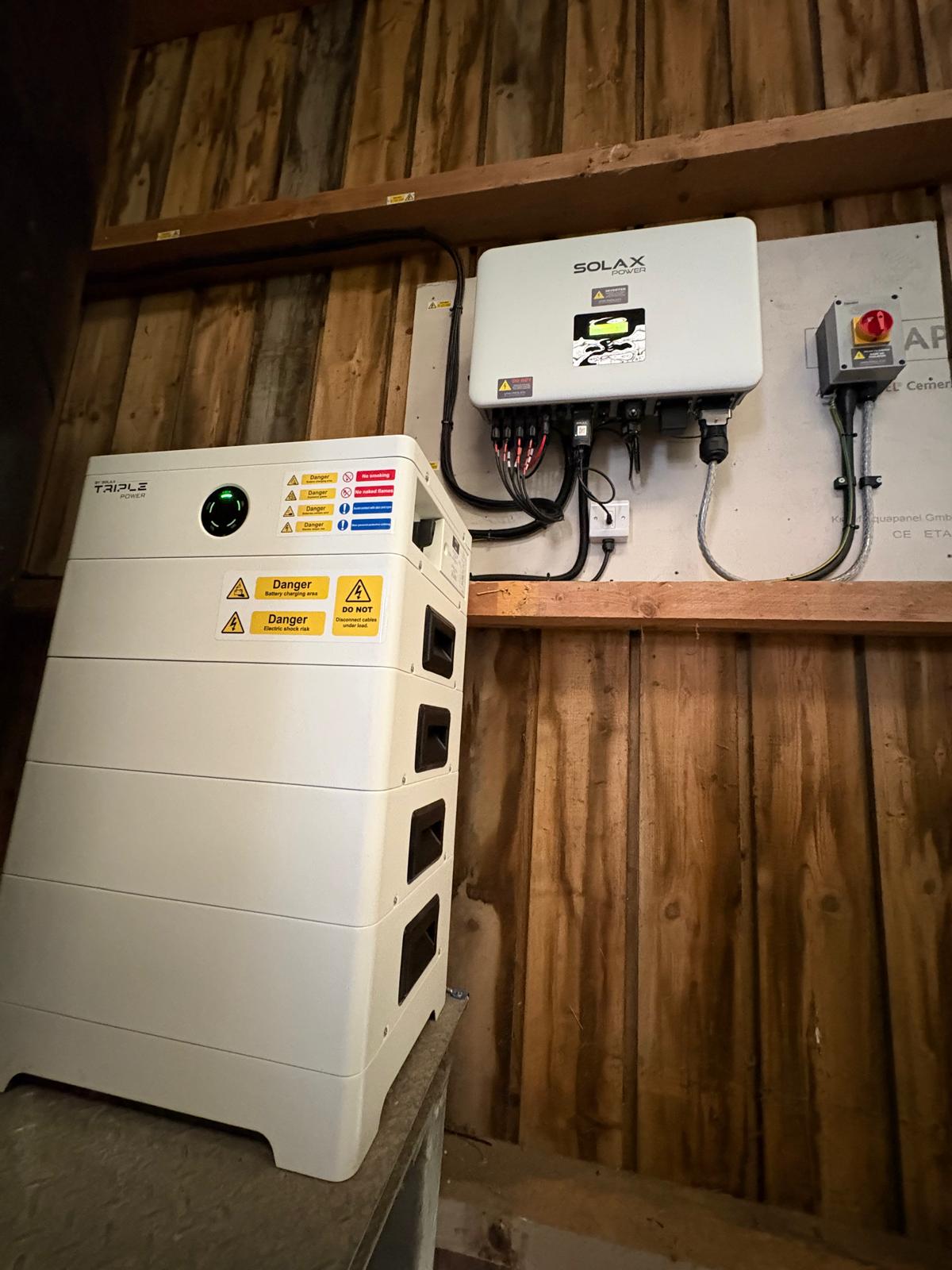
Solar & Battery Storage – FAQs
Thinking about switching to solar or adding battery storage?
Here are answers to some of the most common questions to help you make an informed decision.
Solar panels convert sunlight into electricity using photovoltaic (PV) cells. The energy generated can be used to power your home, reducing reliance on the grid and lowering energy bills.
Battery storage systems store excess electricity generated by your solar panels during the day so you can use it later—especially in the evening or during power outages. This increases your energy independence and maximizes the value of your solar system.
Yes. Solar panels still generate electricity on cloudy days, though at reduced efficiency. Modern systems are designed to perform well even in less-than-ideal weather conditions.
Savings vary depending on your energy usage, system size, and local electricity rates. Many homeowners see significant reductions in their energy bills and long-term savings over the lifespan of the system.
Solar panels typically last 25–30 years, while battery systems generally have a lifespan of 10–15 years, depending on usage and technology.
Yes, but it requires a carefully designed system with sufficient battery storage and possibly a backup generator. Most homeowners choose a grid-connected system for reliability and cost-effectiveness.
Most homes are suitable, but factors like roof orientation, shading, and available space will affect performance. A professional assessment can determine the best setup for your property.
Solar systems require minimal maintenance. Occasional cleaning and periodic system checks are usually sufficient to keep everything running efficiently.